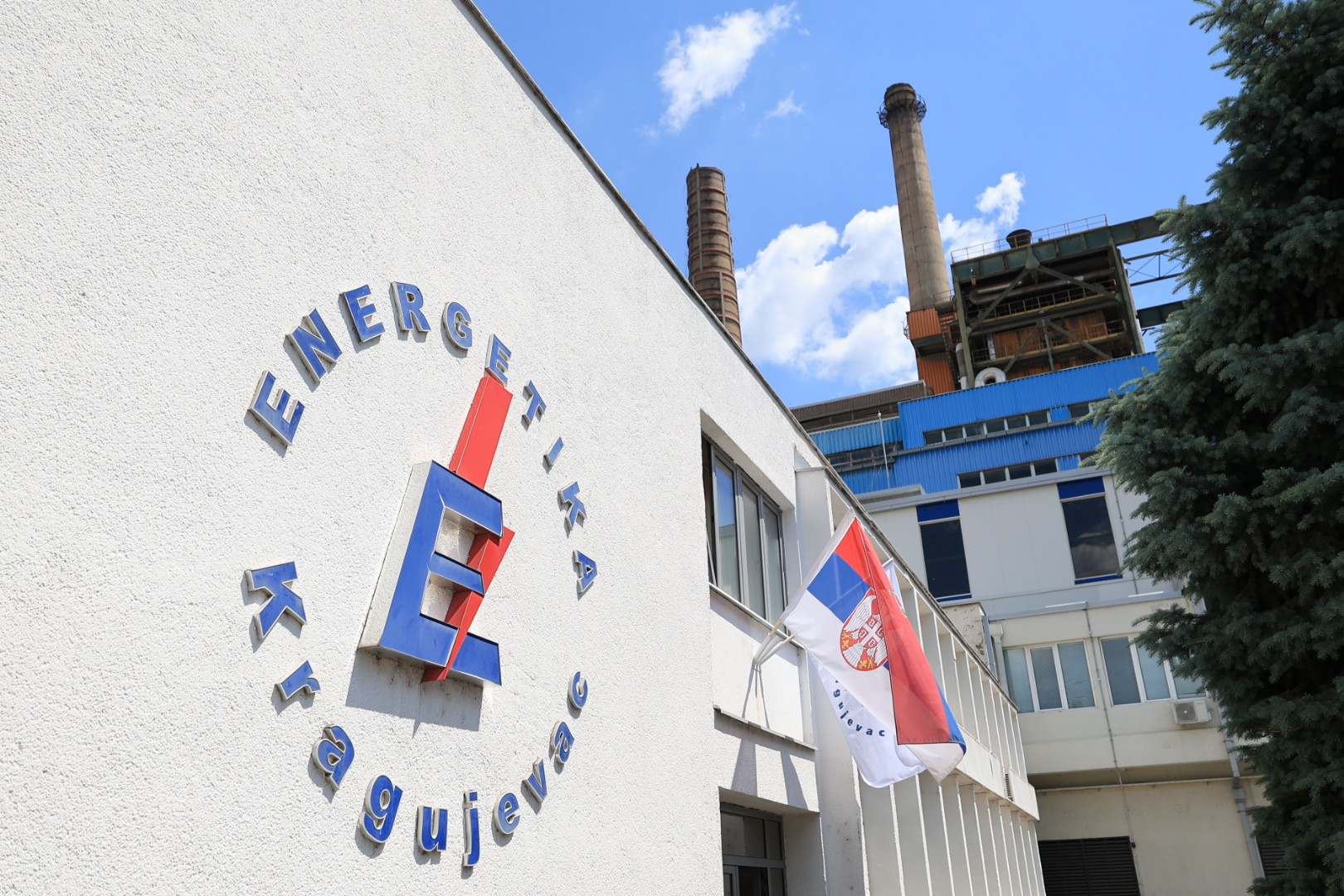
Kragujevac's "Energetika"
Kragujevac's "Energetika" began using coal as its primary fuel source in 1962, the year the first boiler was put into operation. In the following years, as the energy demands of industry and citizens grew, the company expanded its capacity, supplying also energy to factories “Zastava”.
During the heating season, 210,000 tons of coal were consumed annually, or about 1,200 tons per day. The chimney filters retained around 50% of the particles, while the rest was released into the air, polluting the city. It is estimated that more than three tons of soot per day were emitted from "Energetika’s" chimneys, along with additional pollutants. From the first district heating system in Serbia—which began by circulating hot water between two halls of the then Technical Overhaul Institute for heating purposes—to today’s modern system with over 22,000 users and more than 90 km of distribution network.
One of the most important steps toward reducing air pollution was the construction of a modern gas boiler plant. The Ministry of Environmental Protection, in cooperation with the EBRD, implemented a project to modernize the boiler plant, thereby solving the problem of air pollution and ash production after several decades, while simultaneously increasing energy efficiency from 55% to over 97%. Solid particles and sulfur from the plant's flue gases have been completely eliminated, carbon and its oxides emissions have been reduced by over 70%, while nitrogen and its oxides emissions are, on average, about half the permitted limit for facilities of this installed capacity.
The project "Management and Reuse of Ash from the Heating Plant in Kragujevac" represents the second phase of the boiler plant modernization.